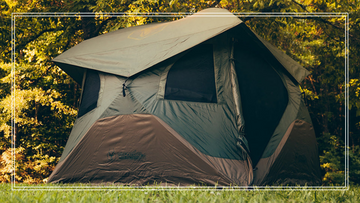

Winter camping isn’t for the faint of heart. It’s for the bold, the adventurous, and the slightly frostbitten. But done right, it can be one of the most peaceful, rewarding ways to experience the outdoors. Snow-covered trails, silent forests, and crisp mountain air make winter camping an unforgettable part of any overlander’s journey.
The key? Preparation.
In this guide, we’ll walk you through everything you need to know about winter camping, from essential gear to clothing strategies, safety precautions, and even the surprising benefits of cold-weather adventuring. Whether you're planning a weekend snow camp or embarking on a backcountry expedition, this guide will help you build confidence so you don’t have to ask yourself “What should I bring to winter camp?”
Shop Renlicon Gear For Winter Camping
Why Try Winter Camping in the First Place?
While the cold might scare off casual campers, true overlanders know the magic of winter adventures. No bugs. No crowds. Just you, your rig, and miles of quiet wilderness. Campgrounds and popular trails that are usually packed are suddenly serene and yours for the taking. Campfires feel cozier, coffee tastes better, and sunrises sparkle like nothing else.
Beyond aesthetics, winter camping builds practical skills and resilience. You learn to read snow conditions, use cold-weather gear efficiently, and make thoughtful decisions under pressure. These lessons translate to better year-round camping habits and more self-reliant travel. Many winter campers find the cold slows life down in a good way, forcing mindfulness, focus, and intentionality in each action.
If you’ve been on the fence, this is your sign to try snow camping. It’s not just a cold-weather challenge, it’s a radically different and enriching experience.

What Should I Bring to Winter Camp? The Must-Have Gear List
Every winter camping checklist should start with the basics: shelter, warmth, safety, and mobility. But winter camping gear isn't just about staying comfortable—it’s about staying alive when temps drop into the teens or below.
- Four-season tent or insulated shelter
- Cold-rated sleeping bag (0°F or lower)
- Insulated sleeping pad (R-value of 4+)
- Heat source (propane stove, fire pit, etc.)
- Extra fuel for cooking and warmth
- Headlamp with extra batteries
- High-calorie, easy-prep food
- Durable storage system to keep gear dry
- Snow shovel or dig tool
- Firestarter and waterproof matches
- First aid kit with cold-weather treatments
One of the most versatile items to include is the Out-In-About Box 2.0 from Renlicon. Its rugged design and modular layout make it ideal for cold-weather trips. You can quickly grab warm layers, medical gear, or cooking supplies without exposing everything to the elements.

Winter Camping Clothing Tips
Clothing can make or break your winter camping experience. The golden rule? Layer up.
Start with a moisture-wicking base layer to keep sweat off your skin. Add a fleece or down insulating mid-layer, and top it off with a waterproof, windproof shell. Avoid cotton—it traps moisture and loses insulation quickly. Choose wool or synthetic materials instead.
Don’t forget your extremities:
- Wool socks (bring backups)
- Waterproof insulated boots
- Layered gloves or mittens
- Balaclava or face mask
- Warm beanie and neck gaiter
Store a dry pair of gloves and socks in your sleeping bag overnight to keep them warm for the morning. Thermal underwear and down booties can make freezing nights comfortable. Use a sleeping pad with a high R-value to stay insulated from the ground.
Basecamp Setup Tips for Snow Camp
A good winter basecamp works with the environment, not against it. Choose a spot protected from wind but not under heavy snow-covered branches. Pack down snow to create level tent and cooking areas. Avoid using a tent footprint larger than your tent to prevent water pooling.
Use solar or battery-powered lights to extend your usable daylight. Keep spare batteries warm in your pocket or sleeping bag to extend their life.

Hazards to Avoid While Winter Camping
Winter camping can be safe, with the right prep. But beware of these common risks:
Hypothermia
Staying dry is critical. Hypothermia can sneak up fast if you’re wet and tired. Watch for shivering, confusion, or slurred speech.
Frostbite
Protect fingers, toes, nose, and ears. Avoid touching metal with bare skin. If frostbite occurs, warm the area gently—never rub it.
Carbon Monoxide
Never run stoves or heaters in enclosed tents. Even in sub-zero temperatures, ventilation is vital.
Vehicle Issues
Cold weather can zap batteries fast. Keep a portable jump starter in your vehicle and avoid parking on wet or snowy ground that might freeze tires in place.
Navigation Issues
Snow can obscure landmarks and trails. Use offline GPS apps like Gaia or OnX Offroad, and bring a paper map as backup.
Winter Camping Meal Tips and Hydration Hacks
You’ll burn extra calories just staying warm, so pack energy-dense foods that are quick to prep. Try instant rice with ghee, hot soups, cheeses, and nut butters. Use insulated containers to keep meals hot longer.
The Portable Fire Pit from Renlicon makes cooking and heat management easier. It creates a safe, consistent cooking space even in the snow, and doubles as a cozy centerpiece when the sun goes down.
Dehydration is a sneaky winter issue. You breathe out moisture and may not feel thirsty. Use insulated bottles and avoid eating snow without purifying it first.

The Unexpected Benefits of Snow Camping
Winter camping offers emotional and mental benefits, too. Snow quiets the world and heightens your awareness of nature. Wildlife tracks become easy to spot, sunrises are more vivid, and you can enjoy a rare sense of stillness.
- No bugs, no crowds
- Deeper solitude and focus
- Greater appreciation for essentials like fire and shelter
- Memorable moments and greater camaraderie
Final Thoughts: Your Snow Camp Awaits
Whether you're preparing for your first snow camp or you're a seasoned cold-weather explorer, the key to winter camping is preparation. With the right gear, knowledge, and mindset, you can turn a freezing weekend into a rewarding adventure.
Looking for durable, cold-ready equipment? Explore the Out-In-About Box 2.0, Portable Fire Pit, and more at Renlicon.com.